
Week 18 of Pregnancy
Your baby’s heart is now beating and may be detectable on an early ultrasound. Tiny buds that will become arms and legs are beginning to form, and hormone levels are rising quickly, which means symptoms like nausea, fatigue, and mood swings may be more intense this week
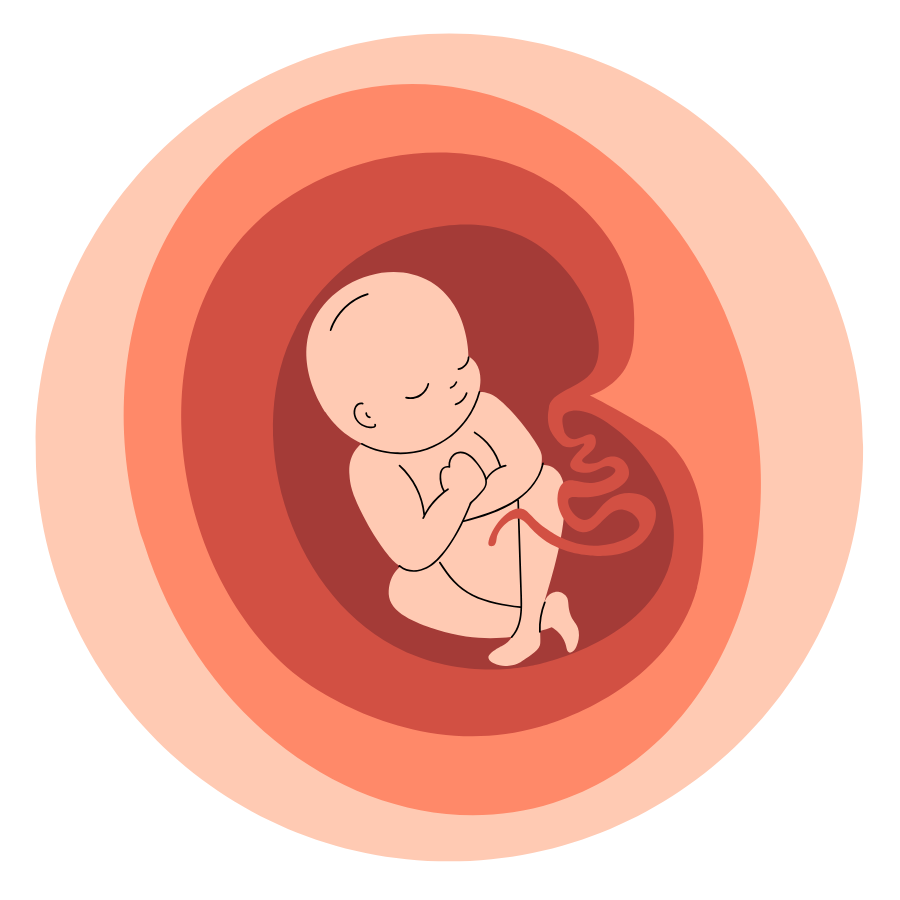

Baby’s Size

Your baby is about the size of a sweet potato.
Baby’s Development at 18 weeks
Nervous system refinement
Your baby’s brain is forming complex connections, especially in the parts responsible for sight, sound, smell, taste, and touch. This means your baby is beginning to interpret the world from the womb.
Hearing begins
Tiny bones in the ears are hardening, and the inner ear is maturing, allowing your baby to start hearing sounds, including your heartbeat, voice, and even music.
Movement coordination
Baby is practicing coordinated movements like kicking, stretching, rolling, and even yawning. You may start to feel these little flutters, especially if this isn’t your first pregnancy.
Vernix caseosa production
A waxy, protective coating is developing on your baby’s skin to protect it from the amniotic fluid and prevent wrinkling before birth.
Pregnancy Symptoms during Week 18
-
As your uterus expands, you may feel sharp or achy pains in your lower belly or groin, especially when standing up, rolling over, or walking. This is due to the stretching of the ligaments that support your uterus.
-
You might find yourself feeling hungrier as your baby grows and your body works harder. Try to fuel up with balanced meals and nourishing snacks to keep your energy stable.
-
Your increased blood volume may make your veins more noticeable, and hormonal shifts could cause changes in skin tone or texture, including the darkening of the linea nigra on your belly.
-
Pregnancy hormones can cause the lining of your nasal passages to swell, leading to stuffiness or even nosebleeds. Staying hydrated and using a humidifier can help ease this symptom.
-
Your body is producing more blood and fluids, which can cause slight swelling in your hands and feet. Elevating your legs and wearing comfortable shoes can bring some relief.
Pregnancy checklist at 18 weeks pregnant
-
Around this time, your care provider will likely schedule the mid-pregnancy anatomy scan. This detailed ultrasound checks your baby’s growth, organs, and placenta placement. It's an exciting milestone, and many parents find out their baby's sex during this scan—if they choose to!
-
Your growing belly may make sleeping tricky, so this is a good time to invest in a full-body or wedge pregnancy pillow. Try to sleep on your side and adjust your posture for comfort. Getting consistent rest now helps prepare your body for the third trimester.
-
Begin looking into car seats that meet Canadian safety standards and check reviews on strollers, bassinets, and baby carriers. Even if you're not purchasing yet, researching now helps avoid last-minute stress. You can also start building a baby registry if you haven’t already.
-
This is a great week to have an open talk with your partner about expectations after baby arrives, nighttime feedings, diaper duty, and emotional support. Discussing these now can strengthen your bond and ensure you’re both on the same page when baby comes.
-
Review your maternity leave options through work or provincial benefits. Make sure your health insurance is active and covers prenatal and delivery care. If you’re giving birth at a hospital, check whether you need to pre-register for admission.
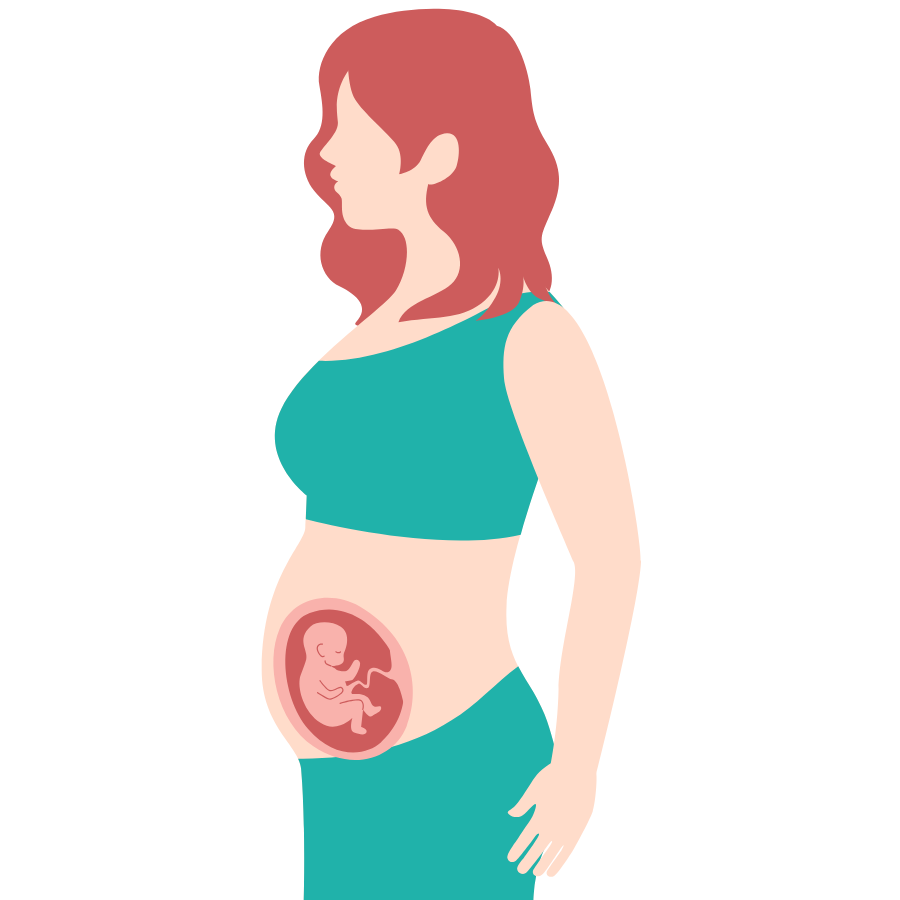
18 Weeks Pregnant Belly
At 18 weeks, it’s a smart time to start reviewing your maternity leave options. Look into how much time you can take off work, what paperwork is required, and when your employer needs to be notified. If you're in Canada, explore Employment Insurance (EI) maternity and parental benefits to understand the financial support available. It’s also important to review your health insurance to ensure it covers prenatal appointments, hospital stays, and any unexpected interventions like a C-section. If you're planning a hospital birth, find out if you need to pre-register and what documents are required at check-in. Getting ahead on these tasks now can prevent future stress and help you feel more in control of your upcoming transition into parenthood.
Tips & Resources
Sleep Support: Use a body pillow or wedge to improve comfort at night. Side sleeping, especially on your left, boosts circulation and helps reduce swelling.
Pain Relief: Ease round ligament pain and backaches with gentle prenatal yoga or stretching. Regular movement can help your body adjust to the changes.
Fetal Movement Awareness: You might start feeling flutters or “bubbles” as baby begins gentle movements. Pay attention to these signs of healthy development.
Nutritional Support: Take a prenatal vitamin with iron and folic acid to support your baby’s brain and spinal cord growth and help prevent maternal anemia.
Hydration is Key: Drink plenty of water to support digestion, circulation, and reduce pregnancy-related swelling.
Emotional Wellness: Journaling or documenting your pregnancy journey can support your mental well-being and help you feel more connected to your experience.